

Step into the world’s largest open-air laundry and witness Mumbai’s cultural heartbeat.
Hindistan'ın hareketli finans merkezi Mumbai, zıtlıklar şehridir—yüzyıllık pazarların üzerinde yükselen göz alıcı gökdelenler, el çekilen arabaların yanından hızla geçen lüks arabalar ve mütevazı sokak tezgahlarının yanında yer alan lüks alışveriş bölgeleri. Birçok ikonik simgesi arasında, Mahalaxmi'deki Dhobi Ghat, Mumbai'nin kültürel dokusunu deneyimlemek için en ilginç ve otantik yerlerden biri olarak öne çıkıyor. Genellikle dünyanın en büyük açık hava çamaşırhanesi olarak tanımlanan Dhobi Ghat, sadece bir işyeri değil—gelenek, dayanıklılık ve topluluğun yaşayan müzesidir.
Dhobi Ghat'a Giriş
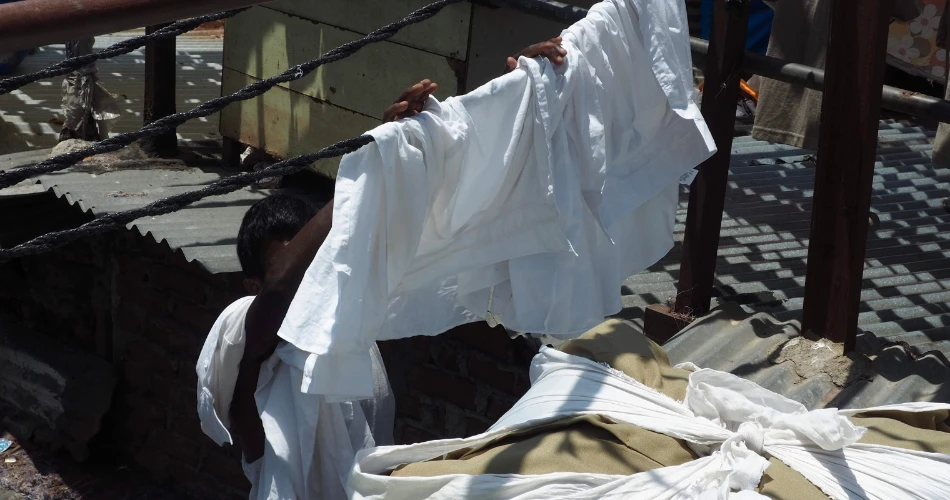
Mahalaxmi tren istasyonunun yakınında bulunan Dhobi Ghat, Mumbai’nin çamaşırlarının hayat bulduğu yerdir. 1890 yılında kurulan bu yer, bir yüzyıldan fazla bir süredir şehrin giysi yıkama merkezi olarak hizmet vermektedir. Burada binlerce dhobi (çamaşır yıkayan erkek ve kadın) çalışmakta, sonsuz sıralar halinde açık beton yıkama alanlarında kıyafetleri ovalamakta, dövmekte, kurutmakta ve ütülemektedir. Her yıkama alanı kendi vurma taşına sahiptir ve kıyafetler elle yıkanarak Mumbai güneşinde düzgün bir şekilde kurutulmak üzere asılmaktadır.
İlk bakışta kaos gibi görünse de, sistem şaşırtıcı derecede iyi organize edilmiştir. Beş yıldızlı otellerden hastanelere, okullara ve hanelere kadar, şehir genelindeki giysiler Dhobi Ghat’a ulaşmaktadır. Burada günde yarım milyondan fazla kıyafetin yıkandığı tahmin edilmektedir; bu da burayı Mumbai’nin çamaşır endüstrisinin kalbi haline getirmektedir.

Dhobi Ghat Mahalaxmi'yi Ziyaret Etmenin Nedenleri
Seyahat edenler için, Dhobi Ghat Mahalaxmi, Mumbai'nin işçi sınıfı kültürüne nadir bir bakış sunuyor—parlak turistik cazibe merkezlerinden uzak, otantik bir deneyim. İşte bunu kaçırmamanız için nedenler:
-
Kültürel Miras: Dhobi Ghat, Mumbai'nin manuel işçilik ve toplumsal çalışmalardaki yüzyıllık geleneklerini temsil eden yaşayan bir tarih parçasıdır.
-
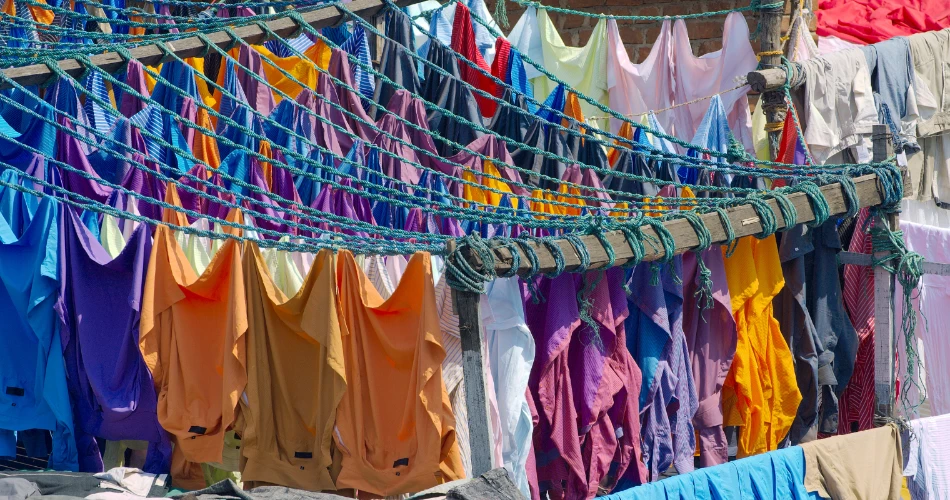
Fotoğrafçıların Cenneti: Renkli giysilerin düzenli sıralar halinde asılı olduğu canlı karmaşa ile Ghat, fotoğraf tutkunları için bir rüya mekandır.
-
İnsan Bağlantısı: Dhobilerle tanışmak, günlük rutinlerini öğrenmek ve becerilerini yerinde görmek, Mumbai'nin sosyal dokusunu daha derinlemesine anlamanızı sağlar.
-
Eşsiz Deneyim: Anıtlar veya müzeler gibi sahneye konmuş bir cazibe merkezi değil—bu gerçek, ham ve Mumbai'nin günlük yaşamının bir parçasıdır.
Ziyaret Ederken Ne Beklemeli
Mahalaxmi istasyonuna vardığınızda ve üst geçide doğru yürüdüğünüzde, Dhobi Ghat'ın ilk panoramik manzarasını göreceksiniz. Manzara nefes kesici—açık havada kuruyan beyaz çarşafların sıraları, dizlerine kadar sabunlu su içinde bekleyen dhobiler ve renk kodlarına göre düzenlenmiş giysiler.
Rehberli turlar mevcuttur ve birçok yerel rehber, Ghat’ın tarihi, yıkama teknikleri ve aile gelenekleri hakkında bilgi paylaşmaya istekli. Daha yakından bakarsanız, şunları fark edeceksiniz:
-
Geleneksel Yıkama Yöntemleri: Giysiler, kirleri çıkarmak için taşlarda dövülür, ardından su havuzlarında durulanır.
-
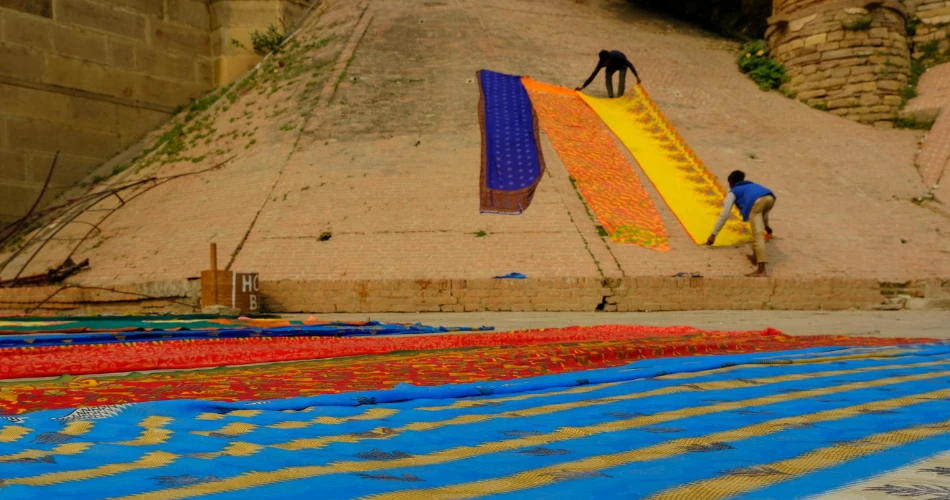
Kurutma Sistemi: Kumaşlar sonsuz iplerde asılı kalır ve Ghat boyunca bir gökkuşağı benzeri bir sergi oluşturur.
-
Ütüleme ve Teslimat: Kuruduktan sonra, giysiler preslenir ve sahiplerine geri dönmesi için sınıflandırılır.
Bu geleneksel sistemin modern makineler olmadan ne kadar verimli çalıştığını görmek büyüleyici.

Dhobi'lerin Hayatları
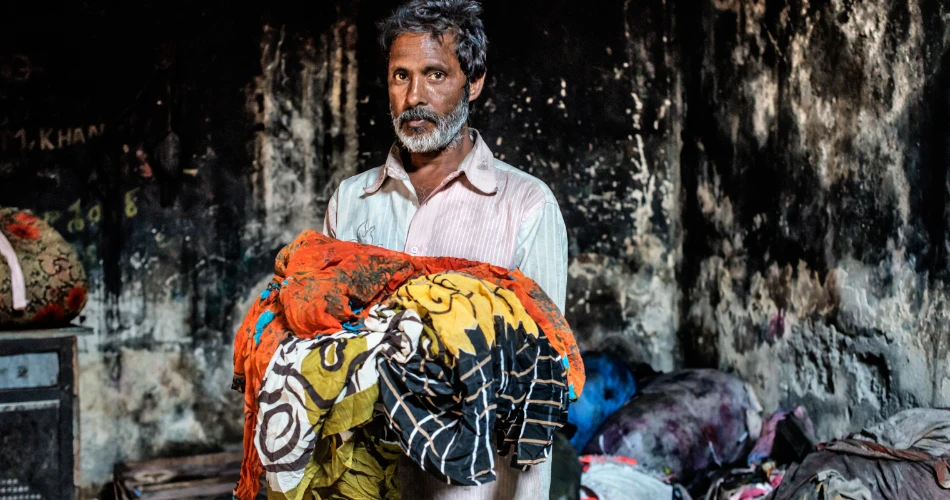
Dhobi'ler, Dhobi Ghat'ın gerçek belkemiğidir. Birçok aile nesiller boyu bu meslekte yer almakta ve beceriler ebeveynlerden çocuklara aktarılmaktadır. Zorlu koşullarda uzun saatler çalışsalar da, zanaatlarında bir gurur duygusu vardır.
Günleri genellikle güneşin doğmasından önce başlar ve gece geç saatlerde sona erer. İş, aile üyeleri arasında bölünmüştür; erkekler genellikle yıkama yaparken, kadınlar sıralama, kurutma ve ütüleme ile yardımcı olmaktadır. Birçok ziyaretçi için, dhobi'lerle etkileşimde bulunmak seyahatin en önemli anıdır, çünkü bu durum alanın tarihine kişisel bir boyut katmaktadır.
Dhobi Ghat'ın Popüler Kültürdeki Yeri
Dhobi Ghat, birçok film, belgesel ve kitapta yer almıştır. Özellikle Kiran Rao'nun yönettiği Bollywood filmi Dhobi Ghat (Mumbai Günlükleri)'nde, bu eşsiz işyeriyle bağlantılı insanların yaşamları sergilenmiştir. Uluslararası alanda, genellikle Mumbai'nin en ilginç turistik yerlerinden biri olarak seyahat programlarında vurgulanmaktadır.

Dhobi Ghat Mahalaxmi'yi Ziyaret Etme İpuçları
-
Ziyaret İçin En İyi Zaman: Sabah saatleri (yaklaşık 8-11) idealdir, çünkü çoğu dhobi bu zaman diliminde aktif olarak çamaşır yıkar.
-
Fotoğraf Çekimi: Yakın çekim fotoğrafları almadan önce her zaman izin isteyin. Portre çekerseniz küçük bir bahşiş takdir edilir.
-
Rehberli Turlar: Yerel bir rehber tutmak deneyimi artırır, çünkü sistem hakkında bilgi verebilir, işçilerle tanıştırabilir ve hikayeler paylaşabilir.
-
Rahat Giyinin: Açık hava alanı olduğu için hafif giysiler, rahat ayakkabılar giyin ve su taşıyın.
-
İşçilere Saygı Gösterin: Burasının bir çalışma alanı olduğunu, sahneye konmuş bir turistik cazibe merkezi olmadığını unutmayın. Nerede yürüdüğünüze ve durduğunuza dikkat edin.
Dhobi Ghat ve Mumbai’nın Kimliği
Dhobi Ghat, Mumbai’nın ruhunu temsil ediyor—çalışkanlık, dayanıklılık ve topluluk ruhu. Şehrin kendisi gibi, enerji, çeşitlilik ve günlük hayatın kırılmaz ritmi üzerinde gelişiyor. Burası ziyaretçilere Mumbai’nin daha az göz alıcı ama bir o kadar da hayati olan tarafını takdir etmelerine yardımcı oluyor; burada binlerce sıradan insan şehri hareket ettiriyor.
Bollywood, lüks ve iş dünyası ile tanınan bir şehirde, Dhobi Ghat Mumbai’nın kültürünün köklerini hatırlatıyor—geleneğin ve modernliğin uyum içinde bir arada bulunduğu yer.
Sonuç
Eğer Mumbai’yi sadece belirgin turistik yerler dışında gerçekten deneyimlemek istiyorsanız, Dhobi Ghat Mahalaxmi’yi ziyaret etmek şarttır. Bu sadece çamaşırların yıkanmasını izlemekle ilgili değil—Mumbai’yi benzersiz kılan inanılmaz insan çabalarını, topluluk bağlarını ve gelenekleri tanık olmakla ilgilidir.
Yoğun çamaşırhanenin üstünde dururken, rüzgarda dalgalanan beyaz örtülerin sıralarını izlerken, buranın sadece bir iş yeri olmadığını—Mumbai’nin ruhunun bir sembolü olduğunu fark edeceksiniz. Seyahat edenler için, Dhobi Ghat sadece bir fotoğraf fırsatı değil—bir kültürel karşılaşma, yaşayan bir tarih dersi ve unutulmaz bir deneyimdir.
Bu yüzden bir sonraki Mumbai ziyaretinizde, programınıza Dhobi Ghat Mahalaxmi’yi eklemeyi unutmayın. Sadece muhteşem fotoğraflarla değil, aynı zamanda şehre ve insanlarına daha derin bir takdirle ayrılacaksınız.